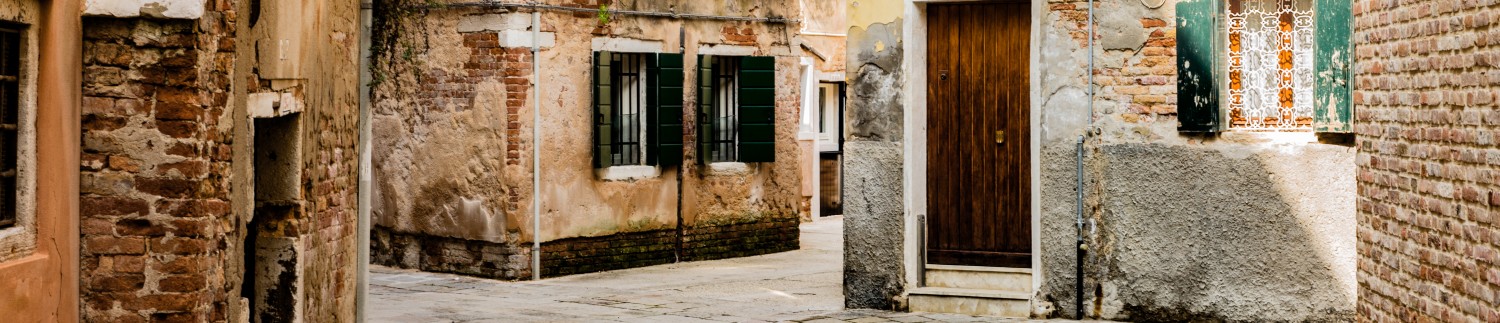
從這裡到那裡
是風景的轉換,也是心情的延展。
而時間,
恰好將旅程釀成一罈芬芳美酒。
#旅程 #心情 #從這裡到那裡
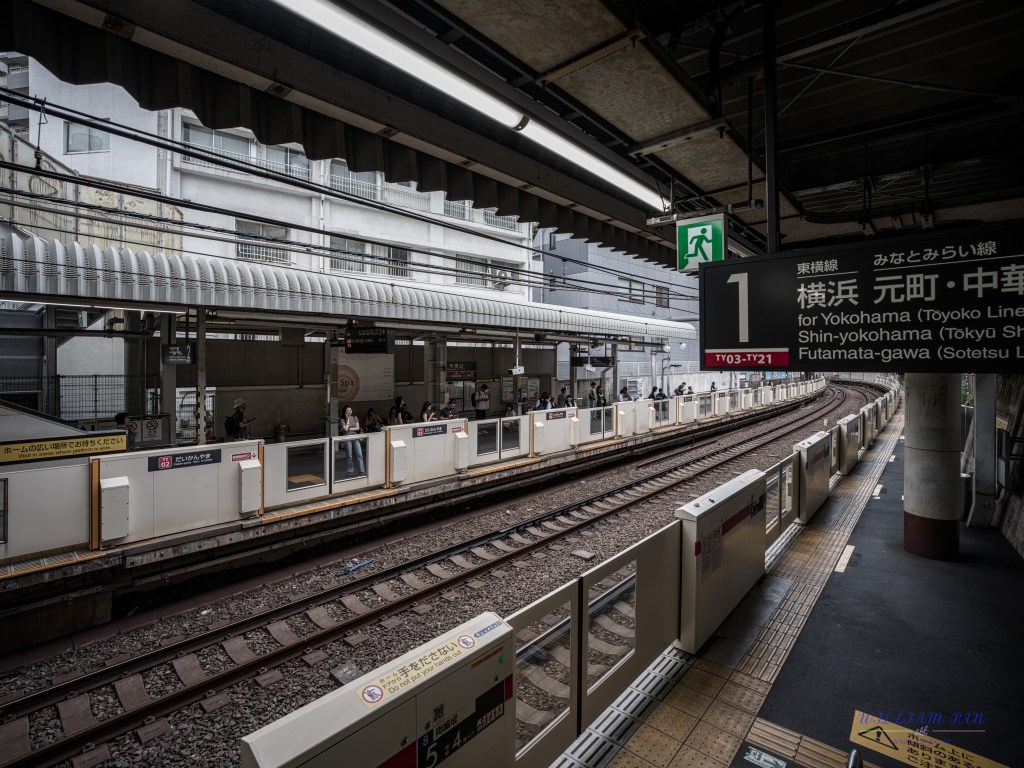
從這裡到那裡
是風景的轉換,也是心情的延展。
而時間,
恰好將旅程釀成一罈芬芳美酒。
#旅程 #心情 #從這裡到那裡
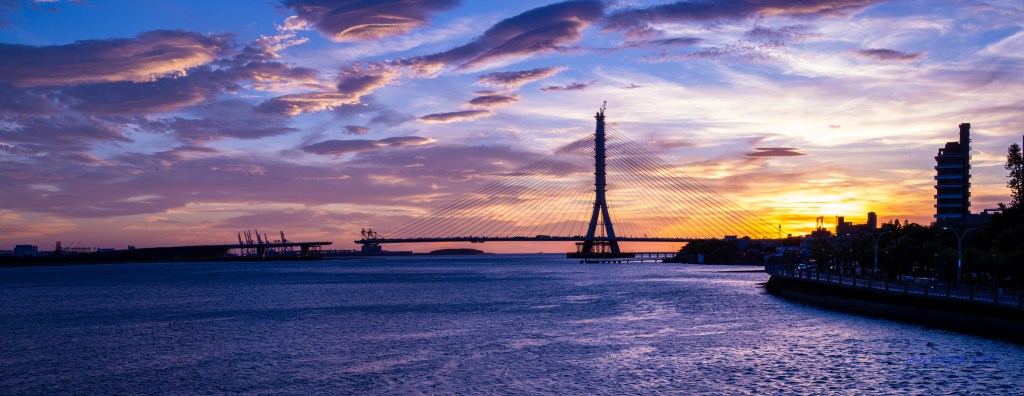
作為一名影像創作者,最大的希望是讓觀眾多看一眼自己的作品 – 在若干日子之前拍攝的影像,能短暫存在於觀者記憶中的奢求。
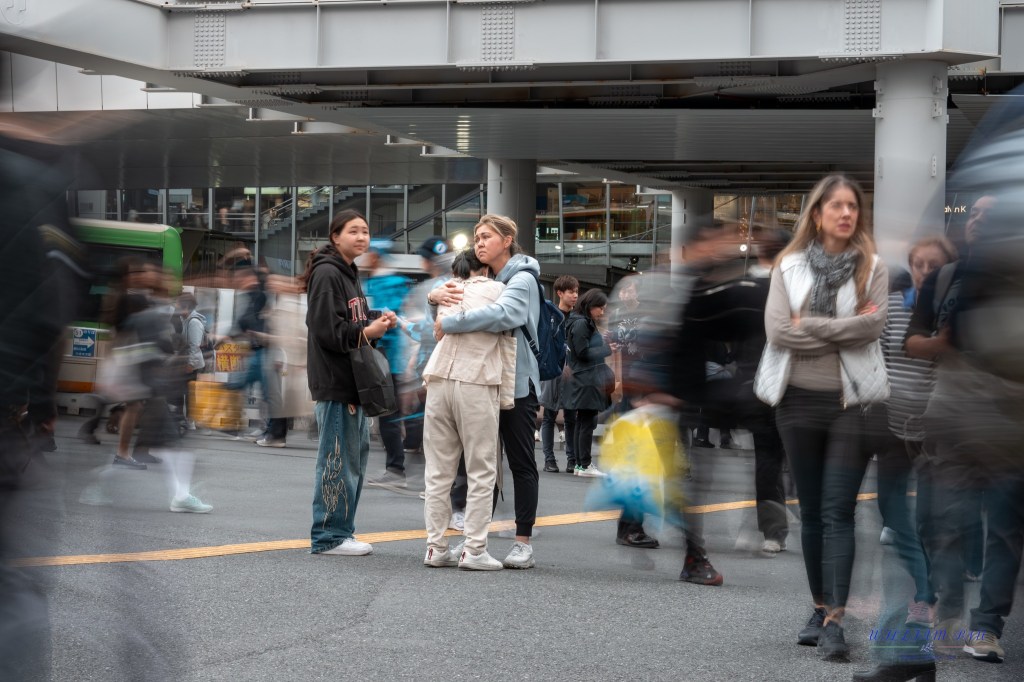
That day at Shibuya Station, a woman stood motionless in the middle of the plaza, as if overwhelmed by sorrow. At that very moment, a compassionate passerby approached and gently embraced her—a gesture that made the world feel unexpectedly warm.
I had originally set out to capture the bustling energy of Shibuya through the lens of traditional street photography, but the woman’s helpless expression deeply moved me. Yet I couldn’t bring myself to photograph her from a detached, voyeuristic perspective—photographing someone in distress can so easily become an act of intrusion.
All around her, the tide of people surged by, indifferent—highlighting, by contrast, the depth of her solitude. It wasn’t until the moment a stranger stepped forward and gave her a comforting embrace that I knew it was time to press the shutter.
In that half-second exposure, the frozen embrace against the blur of the passing crowd creates a striking contrast—a visual metaphor for tenderness and indifference coexisting in the same space.
那日在澀谷車站,一位婦人呆立於廣場中央,彷彿因某事而悲痛欲絕。就在此時,一位充滿愛心的路人走近,輕輕給予她一個擁抱——那一刻,世界顯得格外溫暖。
本欲以傳統街頭攝影的方式記錄澀谷熙攘的景象,卻被這位婦人無助的神情深深吸引。然而,我無法以一種冷漠的、旁觀者的姿態拍攝她,因為對無助者的拍攝,很可能是一種侵犯。
周遭人潮洶湧,如同世界的無視,與她的孤獨形成強烈對比。直到那位陌生人走向她,給予一個擁抱的瞬間,我才按下快門。那是我認為真正該出手的時刻。
在 1/2 秒曝光的瞬間畫面中,凍結的擁抱與流動的人群,形成一種對照——象徵著溫情與冷漠,在同一空間中同時存在。
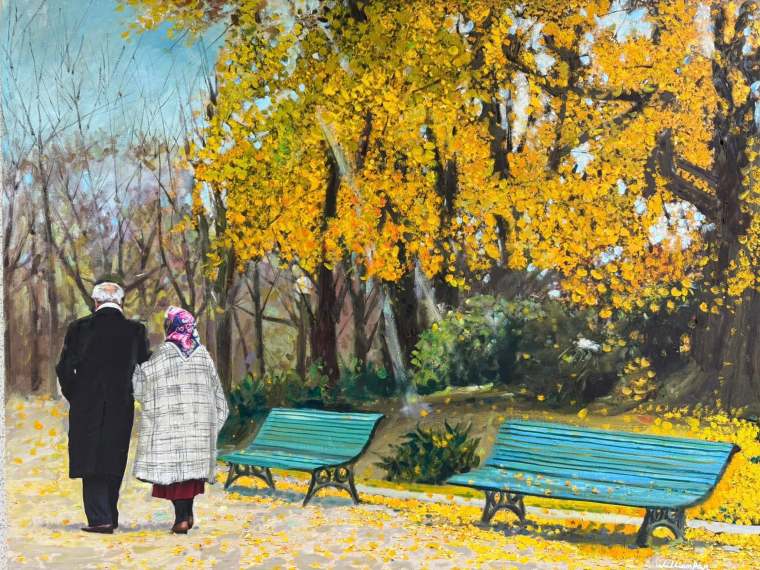
The piece is titled Three-Quarters. Three-quarters of life have passed, three-quarters of the seasons have gone by, and the composition itself extends across three-quarters of the canvas. Through the interplay of seasons, figures, and spatial treatment, the work evokes the relentless passage of time and a poignant sense of fading beauty.
This piece is a signature work from my Painting on Foto (POF) series. Captured near the Champs-Élysées in Paris, the original scene was later transformed through oil painting techniques into a more abstract and romantic vision—one that reflects the atmosphere and imagery as I imagined it in my heart.
This piece was photographed in late autumn of 2009 in Paris and later reinterpreted in 2013 using oil painting techniques.
這幅作品叫做¾,人生過了¾、季節過了¾、畫面也走過了¾。藉由季節人物以及畫面的處理,展現出時間的無情以及淒美。
這幅作品是我標準的Painting on Foto(POF)系列,在巴黎的香榭大道旁邊所拍攝的景象,最後以油畫手法將畫面處理成更為抽象、更為浪漫,更像我心中想像的氛圍與景象。
這幅作品拍攝攝於2009年深秋的巴黎, 2013年再以油畫手法處理。
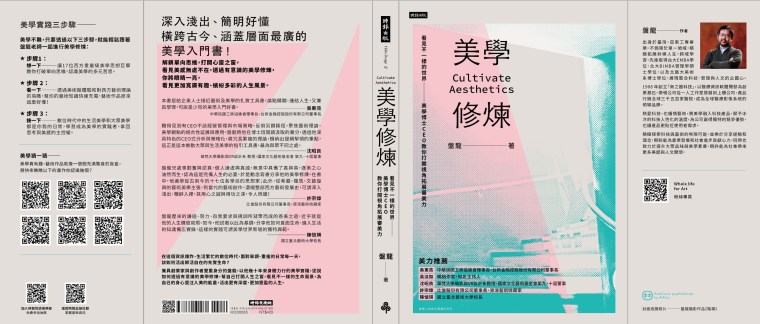
New Release – Cultivating Aesthetics: A PhD in Aesthetics and CEO Teaches You How to Open Your Eyes to a Different World.
AI介入後產生1特殊現象 CEO從「美顏相機」看大眾美學與心理學
https://udn.com/news/story/121591/8666008
提升審美能力、啟動自我修復能量 美學博士CEO教你打開視角看見不一樣的世界
https://udn.com/news/story/121591/8672938
用美學修煉培養審美力 大廠董座:數位攝影是我的「傳送門」
https://udn.com/news/story/121591/8673238
盤龍《美學修煉》:我約了美國經銷商在MoMA談生意合作
https://www.thenewslens.com/article/248674
《威~連你也Podcast了!》S16E12:盤龍博士的美學修煉,從願意停下腳步打開感官注意周遭
https://www.beautimode.com/tag/content/39904/
《美學修煉》讀後感 by 朱敬一
https://www.facebook.com/CYcyruschu/posts/pfbid02EPhdkAwaGftTZmUdi52dm7U8MVY1rf3y4795Kf2UcTemJRMWra56iedDAzmpXzkfl
吳東亮:接觸藝術、修煉美學,啟動自我修復能力
https://www.ctee.com.tw/news/20250325700008-431002
審美力能提升你的職場競爭力嗎?
https://www.ctee.com.tw/news/20250324700003-431001
美顏相機一秒讀懂你的美?美學博士解密背後的科學與美學
https://www.ctee.com.tw/news/20250324700004-431001
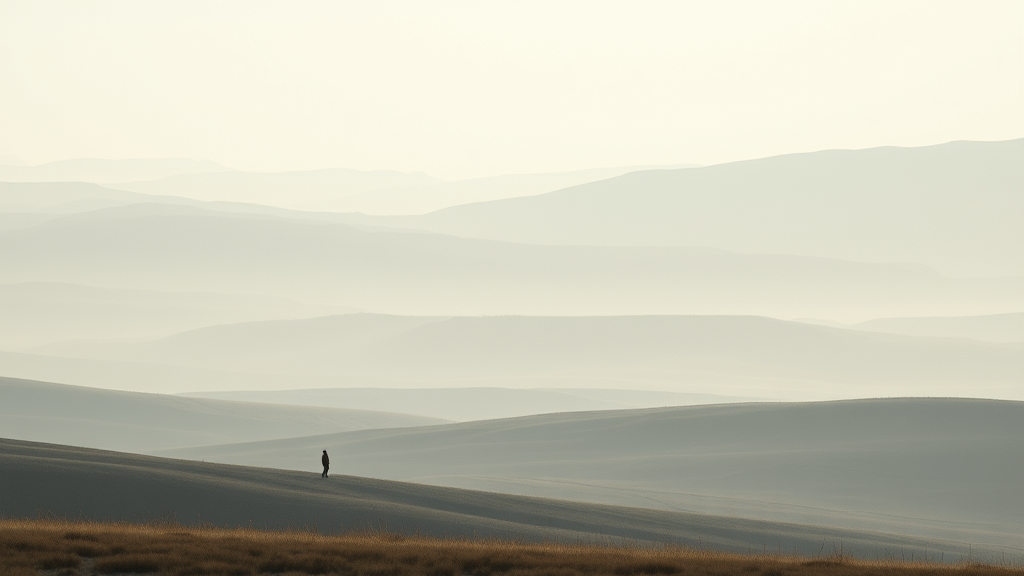
盤龍,一位結合藝術家與企業家身份的攝影創作者,現任商之器科技(EBM Technologies)董事長。雖以醫療影像軟體聞名亞洲醫療界,但他更以其細膩、寧靜的攝影風格,在藝術領域展現獨特視野。
出生於台灣,盤龍早年以技職背景投入電子與軟體工程,二十四歲便創立 EBM 公司,系統如今已部署於全球超過 3,500 家醫院。事業之餘,他從未放棄對美學的追尋。意識到產品設計的關鍵在於審美素養,他於中年時毅然攻讀國立台北藝術大學美術學系博士班,專研大眾攝影與藝術贊助,並結合康德哲學與日本美學進行創作實踐。
盤龍的攝影語言講求「觀看的氣質」與「無功利的凝視」。他以慢節奏、低干預的方式紀錄城市與自然中的光影變化,作品常以留白、缺席主角與靜物構圖表現情感懸浮的氛圍。從〈西雅圖風情〉到〈夏威夷關係〉、從〈安靜〉到〈畫框內科技與畫框外意涵〉,每一次展覽皆為視覺與哲思的結合。
他的創作深受川端康成文學美學啟發——如《雪國》中的空間感、《千羽鶴》的情緒留白、《古都》的物哀意識,這些都可在盤龍的攝影中找到視覺對應。他說:「我的攝影,不只是觀看世界,更是修煉感官的方式。」
他亦創辦宜蘭「盤龍影像美術館 Salon de Pan」,以回饋地方文化、推廣影像美學為使命。其出版著作包括《拍・一種心情》(2011)與《美學修煉》(2025),後者更引起設計、心理學與企業領域的廣泛關注。
盤龍的攝影創作,是對世界的沉思性回應,是技術之外的詩意平衡。透過影像,他持續實踐著一種信念:「美不必嘶喊,美可以很輕——像霧、像光、像一段不需解釋的餘韻。
William Pan is a photographic artist and entrepreneur, currently serving as Chairman of EBM Technologies. Though widely recognized in Asia’s medical community for pioneering imaging software, he has carved out a distinct voice in the art world through a photographic style that is both delicate and contemplative.
Born in Taiwan, William Pan began his career with a technical education in electronics and software engineering. At the age of 24, he founded EBM, a company whose systems are now installed in over 3,500 hospitals worldwide. Despite his business success, his pursuit of aesthetics has never wavered. Recognizing that true innovation lies in refined sensibility, he later enrolled in the doctoral program in Fine Arts at Taipei National University of the Arts, specializing in mass photography and the philosophy of arts sponsorship—merging Kantian thought with Japanese aesthetics in both theory and practice.
William Pan’s photographic language centers on the temperament of seeing and the non-utilitarian gaze. His slow-paced, minimally intrusive approach captures light and form in urban and natural settings. Emotion in his work is often conveyed through absence—empty space, missing protagonists, and quiet still lifes. From Seattle Sentiments to Hawaiian Relations, from Silence to Technology Within the Frame, Meaning Beyond It, each exhibition is a confluence of visual elegance and philosophical reflection.
Deeply influenced by the literary aesthetics of Yasunari Kawabata, William Pan’s imagery echoes the spatial sensibility of Snow Country, the emotional ellipses of Thousand Cranes, and the mono no aware of The Old Capital. “Photography for me,” he says, “is not just a way to see the world—it is a way to refine the senses.”
He is also the founder of Salon de Pan, a private image museum in Yilan, Taiwan, dedicated to regional cultural engagement and the promotion of photographic aesthetics. His publications include Shooting, a Mood (2011) and Cultivate Aesthetics (2025), the latter gaining traction in fields as diverse as design, psychology, and business.
William Pan’s photographic journey is a meditative response to the world—a poetic counterbalance to technology. Through his lens, he continues to live out a quiet conviction:
“Beauty need not shout. It can be light—as mist, as light, as an aftertaste that defies explanation.”
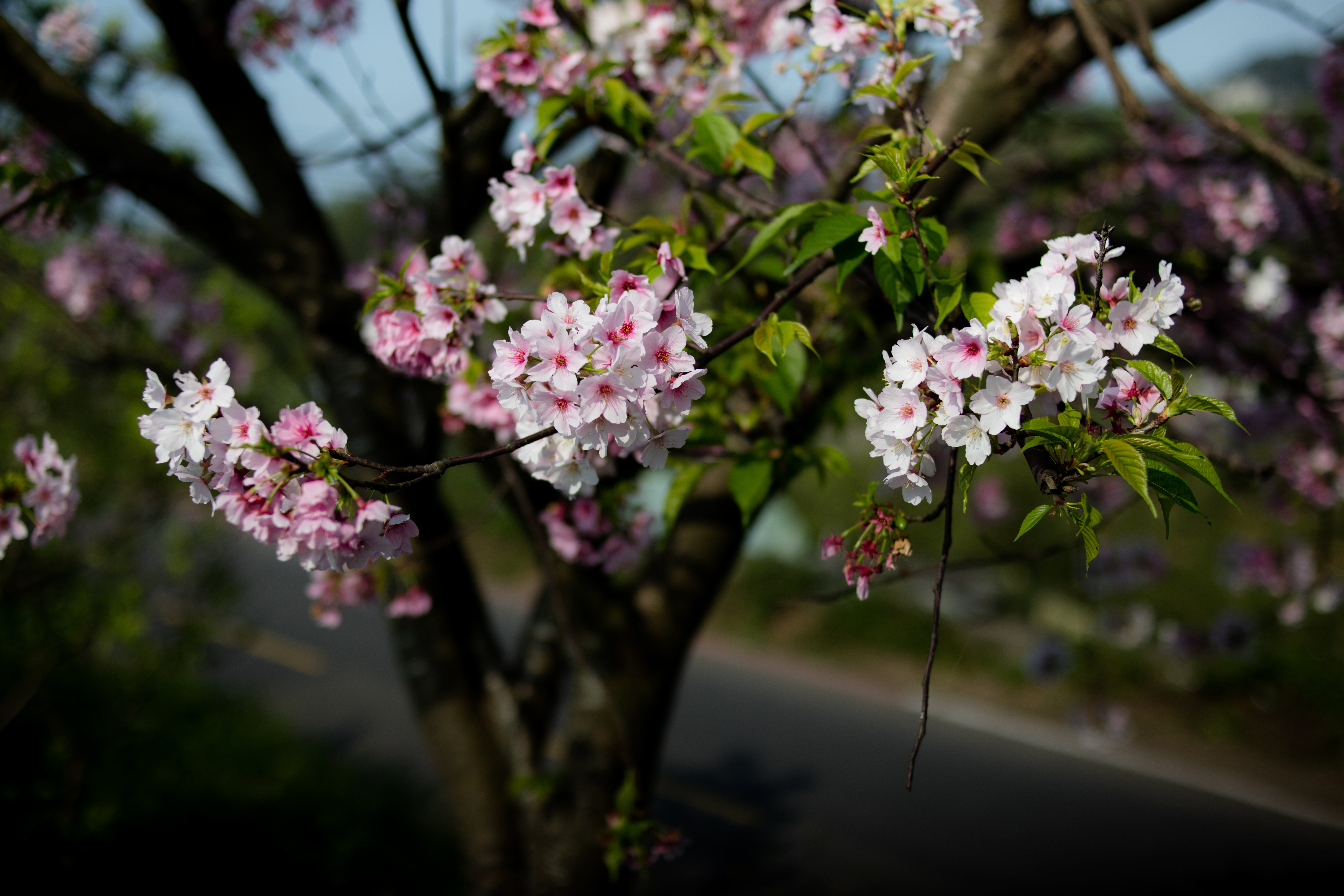 櫻的美, 可遠可近, 可陽光可細雨. 原因無它, 美就是美.
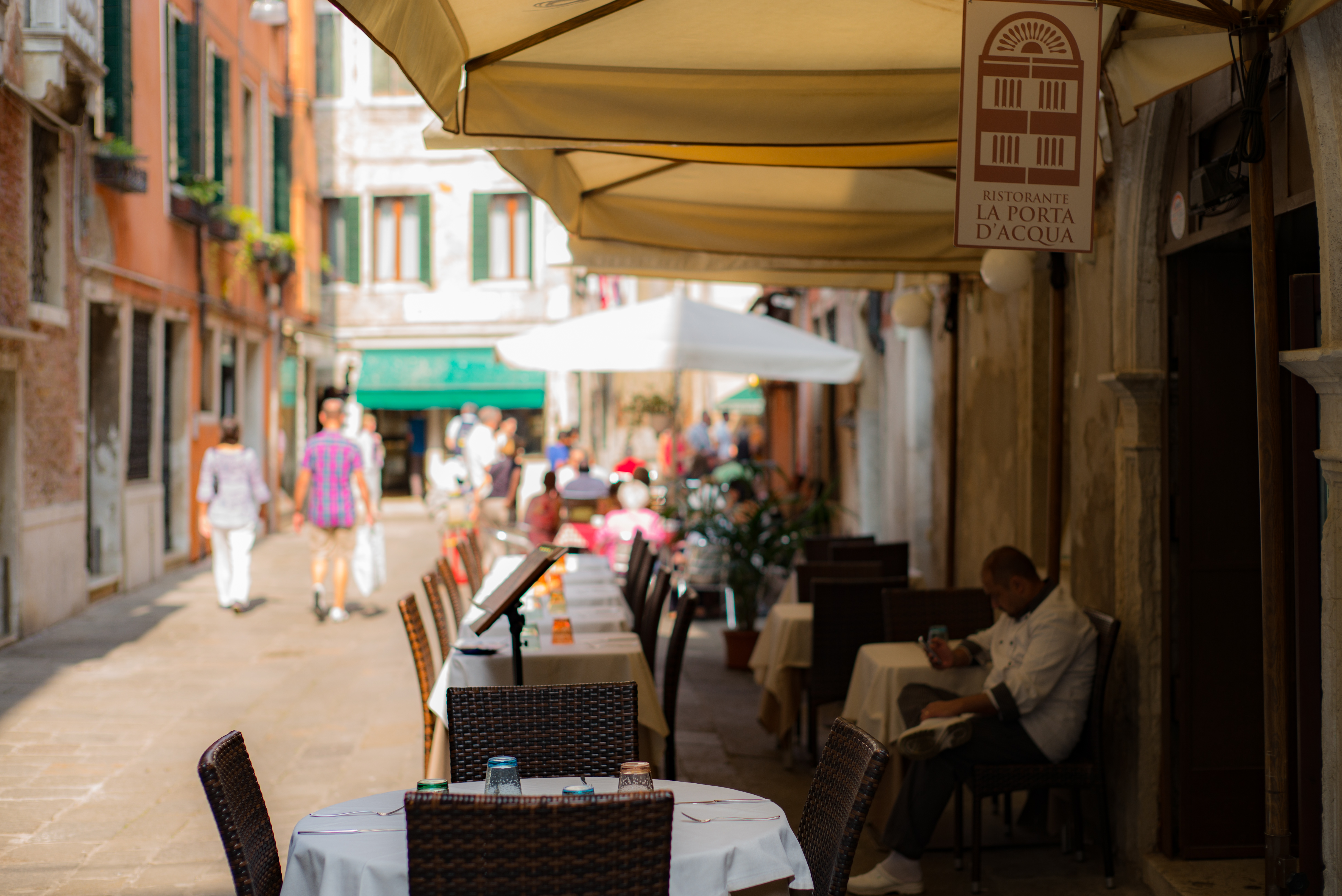
許多美好發想, 都起源於沈靜時刻. 特別是有陽光與咖啡香的路邊雅座.
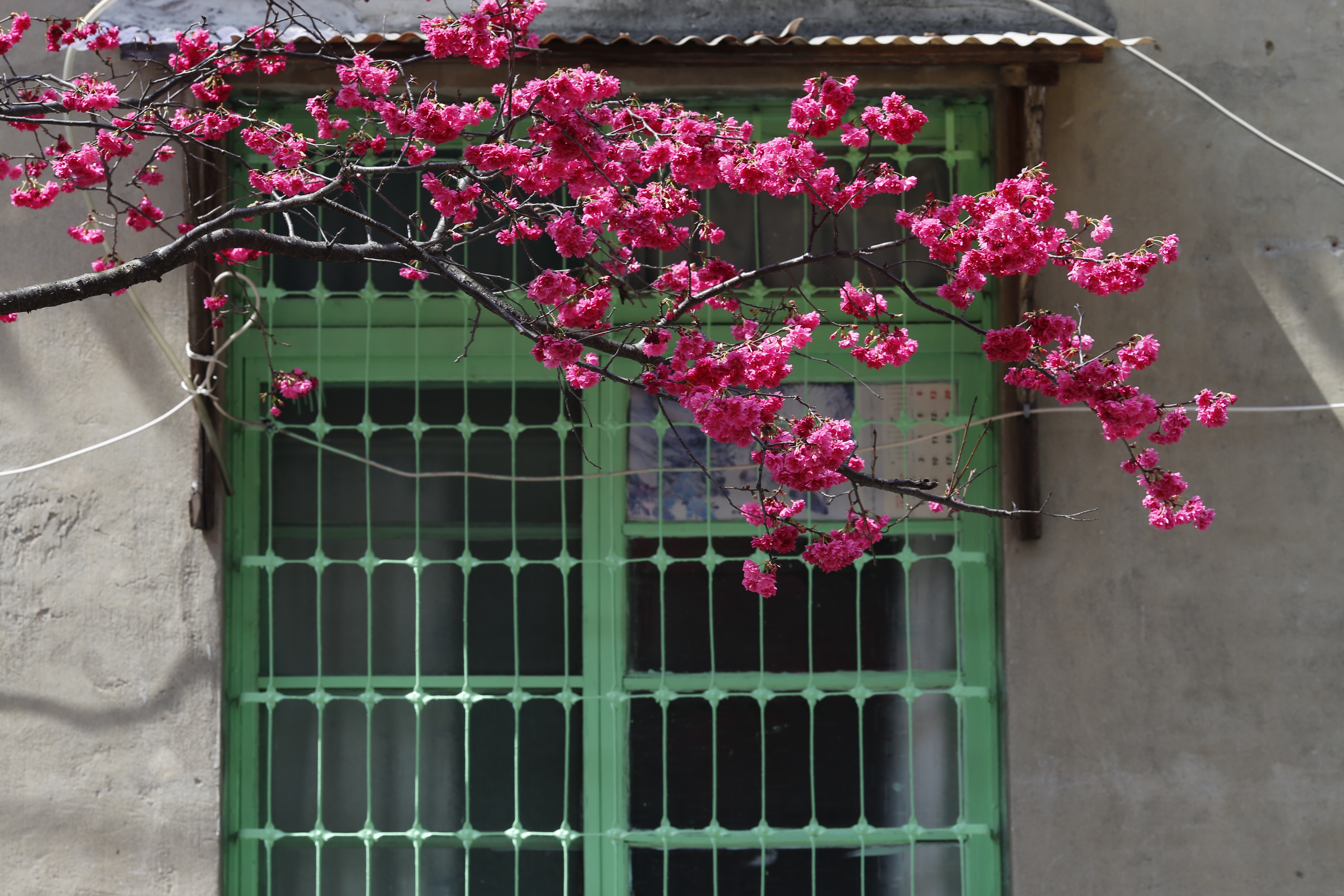
三月,是充滿顏色的時節。山櫻花的紅與老窗台的綠,是春天才有的妝扮。
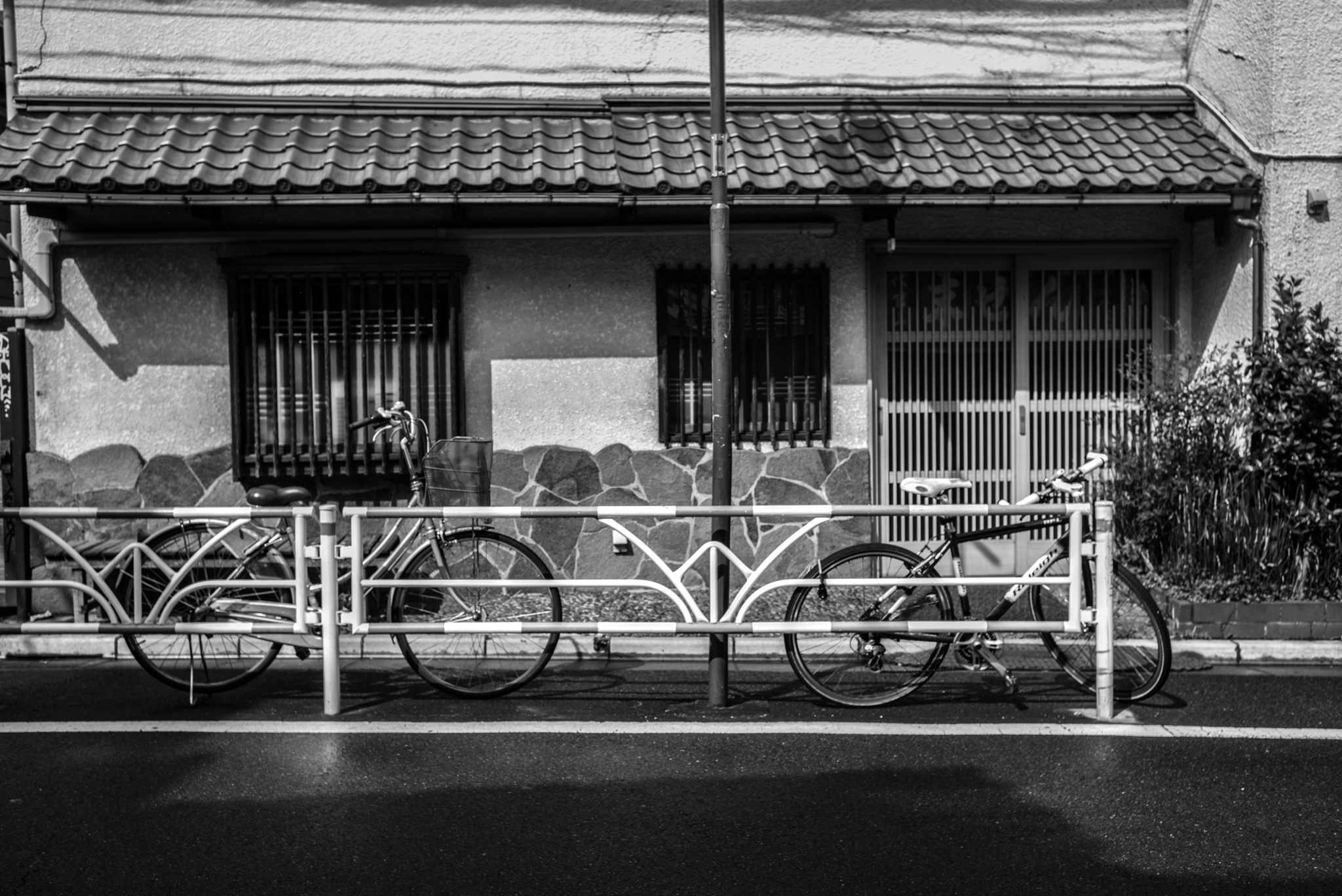
今天在日本, 代官山的陽光與年輕人的自行車, 一幅簡單幸福畫作, 由陽光完成, 我來記錄.
 一生為藝術為攝影 - A Whole Life for Photographic Art