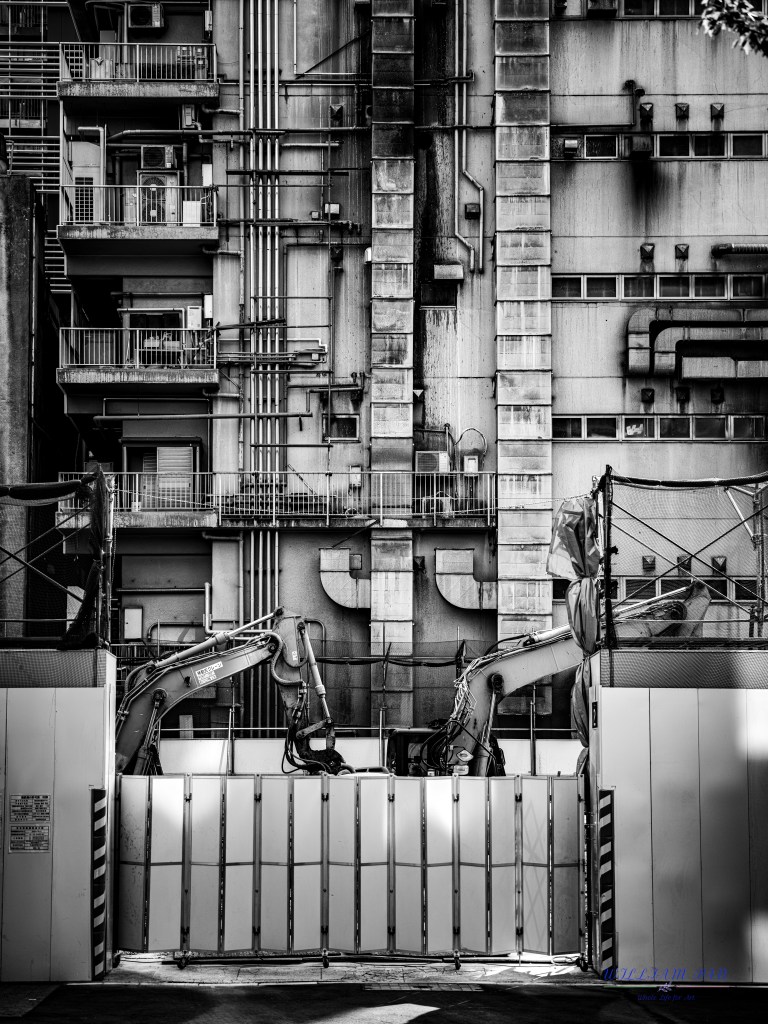
Beneath the bustling veneer of Tokyo’s Ginza lies a silent corner carved by light and shadow, captured in this evocative frame.
This high-contrast, black-and-white photograph freezes a visceral moment of the city’s “metabolism." The subject is an weathered building facade resembling the spine of a massive beast, where countless cold pipes intertwine like veins, recording the relentless passage of time alongside weary air conditioning units.
In the foreground, two massive excavator arms stand in confrontation behind construction barriers, creating a nearly symmetrical mechanical tension—as if two steel behemoths are either slumbering or holding a quiet dialogue amidst the urban renewal. The stark interplay of black and white vividly portrays the chill of metal, the grit of concrete, and the dance between the tangible and the ethereal.
This is not the neon-lit Ginza of the postcards; it is the city’s most authentic and powerful “backside," stripped of its makeup. Through the lens of William Pan, the cycle of construction and decay, the coldness of machinery, and the flow of time converge into a haunting urban poem of both prosperity and desolation.
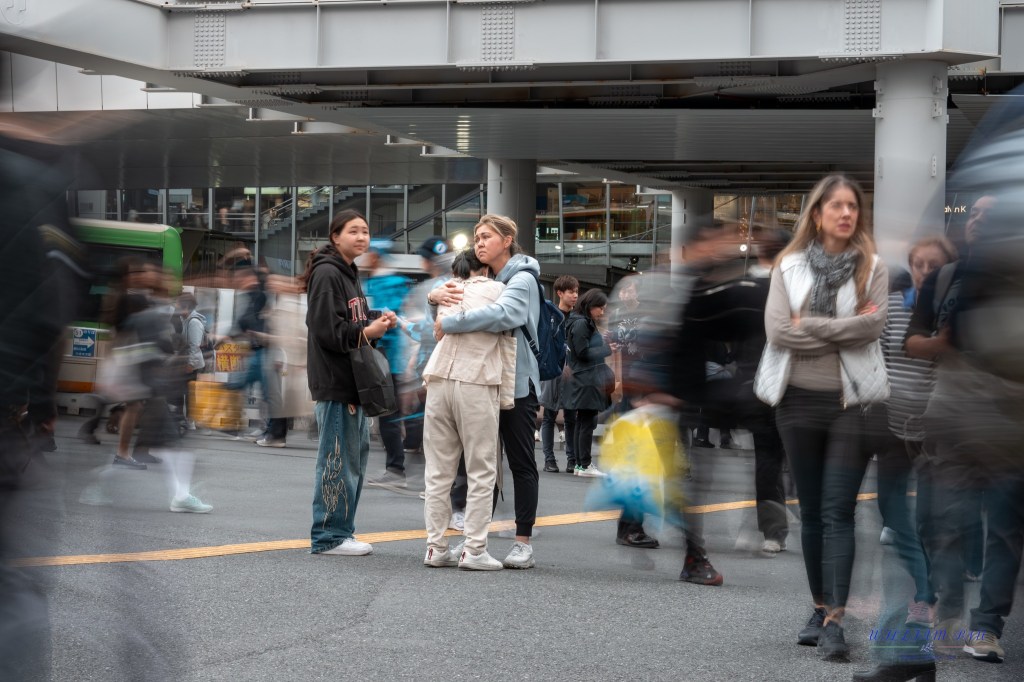
That day at Shibuya Station, a woman stood motionless in the middle of the plaza, as if overwhelmed by sorrow. At that very moment, a compassionate passerby approached and gently embraced her—a gesture that made the world feel unexpectedly warm.
I had originally set out to capture the bustling energy of Shibuya through the lens of traditional street photography, but the woman’s helpless expression deeply moved me. Yet I couldn’t bring myself to photograph her from a detached, voyeuristic perspective—photographing someone in distress can so easily become an act of intrusion.
All around her, the tide of people surged by, indifferent—highlighting, by contrast, the depth of her solitude. It wasn’t until the moment a stranger stepped forward and gave her a comforting embrace that I knew it was time to press the shutter.
In that half-second exposure, the frozen embrace against the blur of the passing crowd creates a striking contrast—a visual metaphor for tenderness and indifference coexisting in the same space.
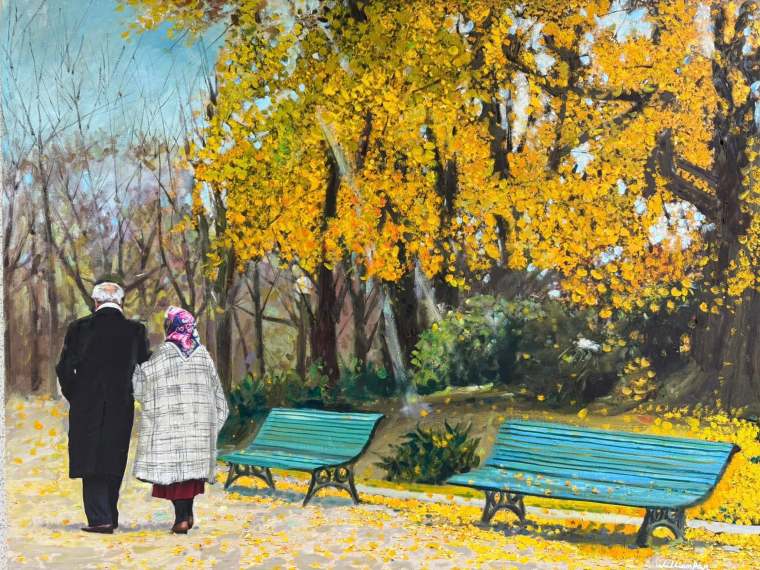
The piece is titled Three-Quarters. Three-quarters of life have passed, three-quarters of the seasons have gone by, and the composition itself extends across three-quarters of the canvas. Through the interplay of seasons, figures, and spatial treatment, the work evokes the relentless passage of time and a poignant sense of fading beauty.
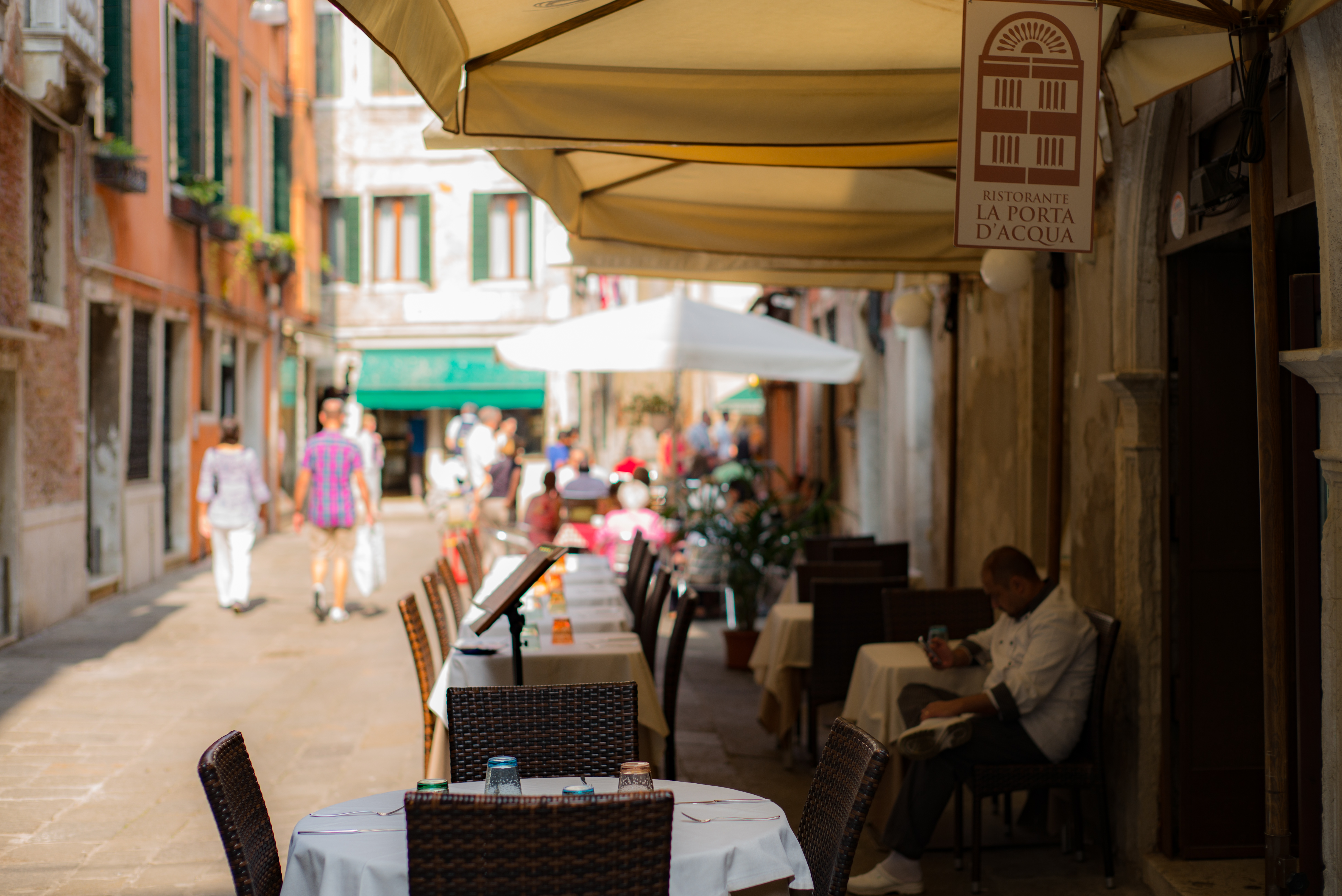
This piece is a signature work from my Painting on Foto (POF) series. Captured near the Champs-Élysées in Paris, the original scene was later transformed through oil painting techniques into a more abstract and romantic vision—one that reflects the atmosphere and imagery as I imagined it in my heart.
This piece was photographed in late autumn of 2009 in Paris and later reinterpreted in 2013 using oil painting techniques.
William Pan is a photographic artist and entrepreneur, currently serving as Chairman of EBM Technologies. Though widely recognized in Asia’s medical community for pioneering imaging software, he has carved out a distinct voice in the art world through a photographic style that is both delicate and contemplative.
Born in Taiwan, William Pan began his career with a technical education in electronics and software engineering. At the age of 24, he founded EBM, a company whose systems are now installed in over 3,500 hospitals worldwide. Despite his business success, his pursuit of aesthetics has never wavered. Recognizing that true innovation lies in refined sensibility, he later enrolled in the doctoral program in Fine Arts at Taipei National University of the Arts, specializing in mass photography and the philosophy of arts sponsorship—merging Kantian thought with Japanese aesthetics in both theory and practice.
William Pan’s photographic language centers on the temperament of seeing and the non-utilitarian gaze. His slow-paced, minimally intrusive approach captures light and form in urban and natural settings. Emotion in his work is often conveyed through absence—empty space, missing protagonists, and quiet still lifes. From Seattle Sentiments to Hawaiian Relations, from Silence to Technology Within the Frame, Meaning Beyond It, each exhibition is a confluence of visual elegance and philosophical reflection.
Deeply influenced by the literary aesthetics of Yasunari Kawabata, William Pan’s imagery echoes the spatial sensibility of Snow Country, the emotional ellipses of Thousand Cranes, and the mono no aware of The Old Capital. “Photography for me,” he says, “is not just a way to see the world—it is a way to refine the senses.”
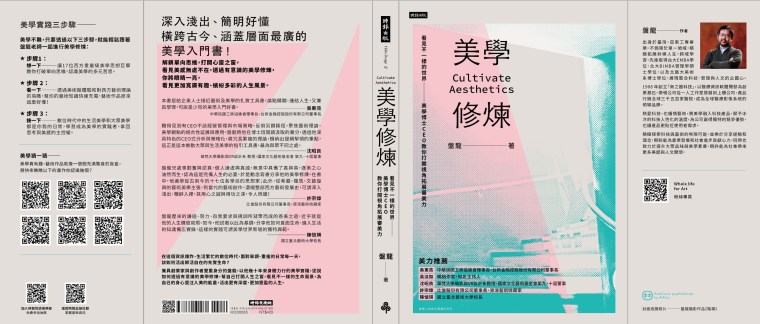
He is also the founder of Salon de Pan, a private image museum in Yilan, Taiwan, dedicated to regional cultural engagement and the promotion of photographic aesthetics. His publications include Shooting, a Mood (2011) and Cultivate Aesthetics (2025), the latter gaining traction in fields as diverse as design, psychology, and business.
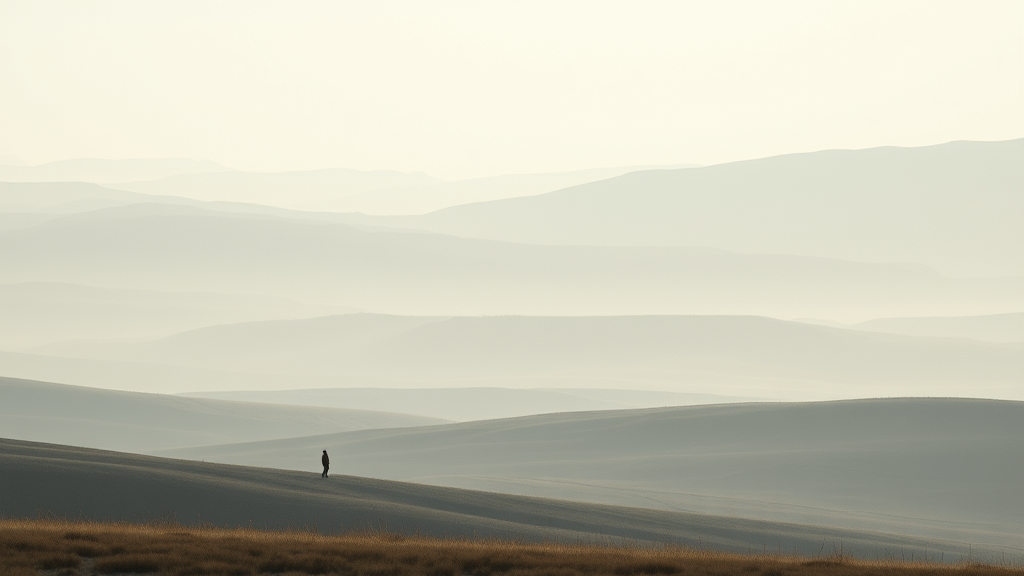
William Pan’s photographic journey is a meditative response to the world—a poetic counterbalance to technology. Through his lens, he continues to live out a quiet conviction: “Beauty need not shout. It can be light—as mist, as light, as an aftertaste that defies explanation.”
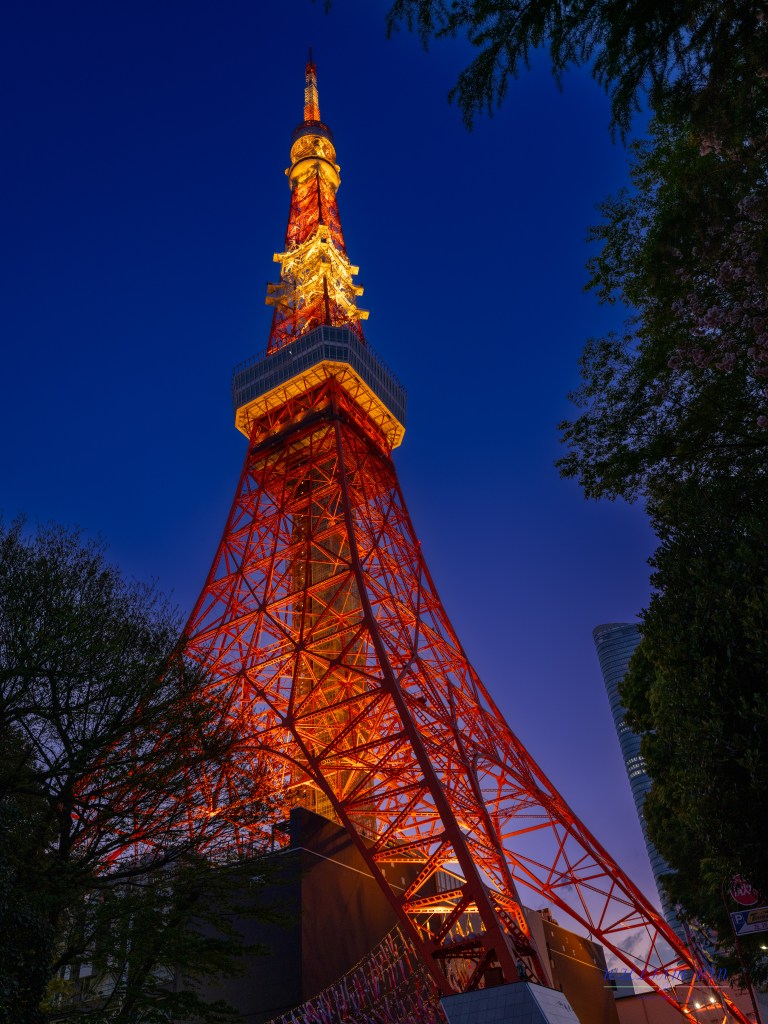
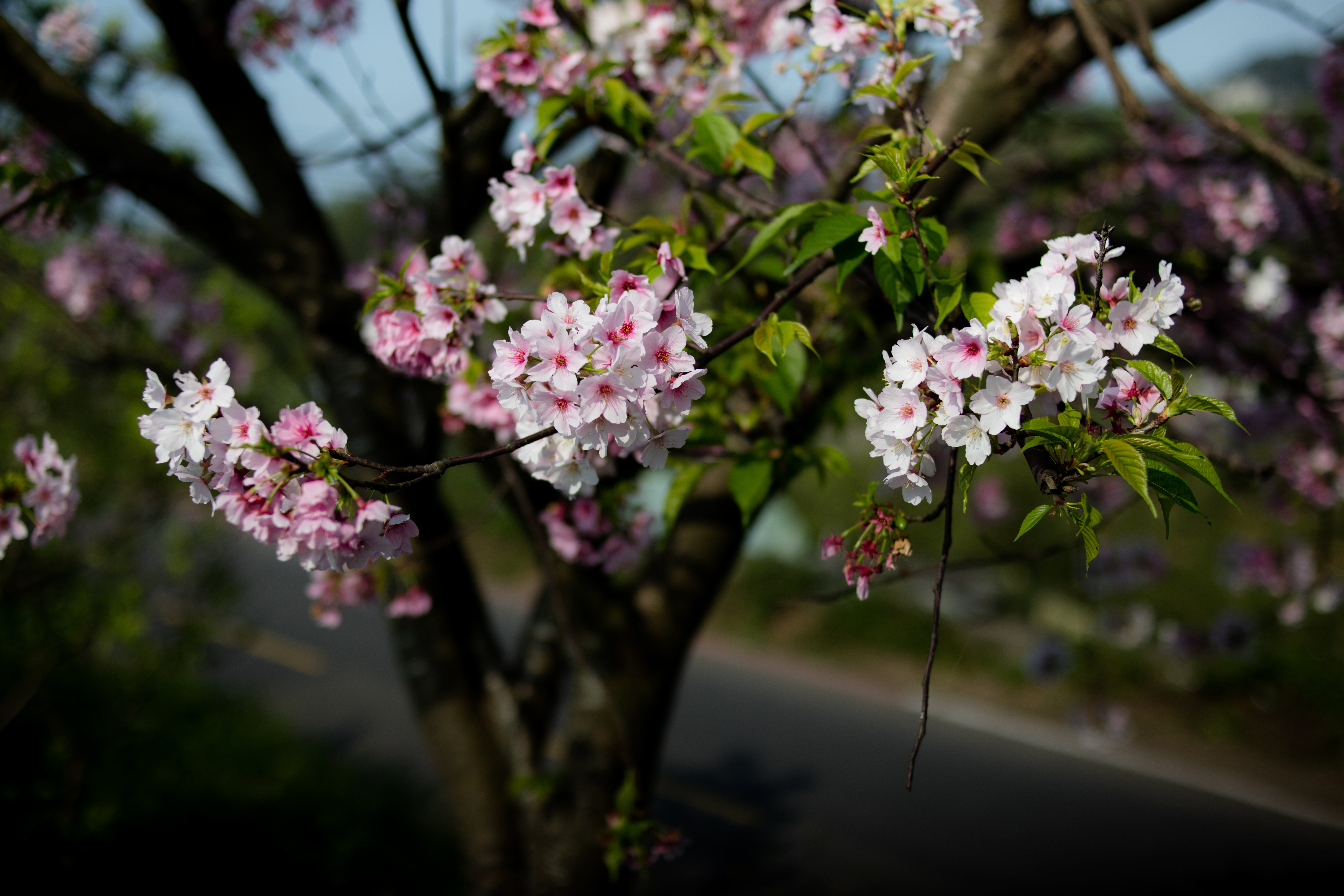 櫻的美, 可遠可近, 可陽光可細雨. 原因無它, 美就是美.